Crowd walking on a bridge decorated with colorful flags and banners at the Sziget Island of Freedom festival.Colorful autumn trees in a park with the Chain Bridge and Hungarian Parliament building across the Danube River in Budapest.A wide river with two boats sailing, flanked by lush green trees and houses, with a bridge and hills in the background under a clear sky.

City Orientation

This Pack gives you a clear overview of Budapest before you start exploring it.
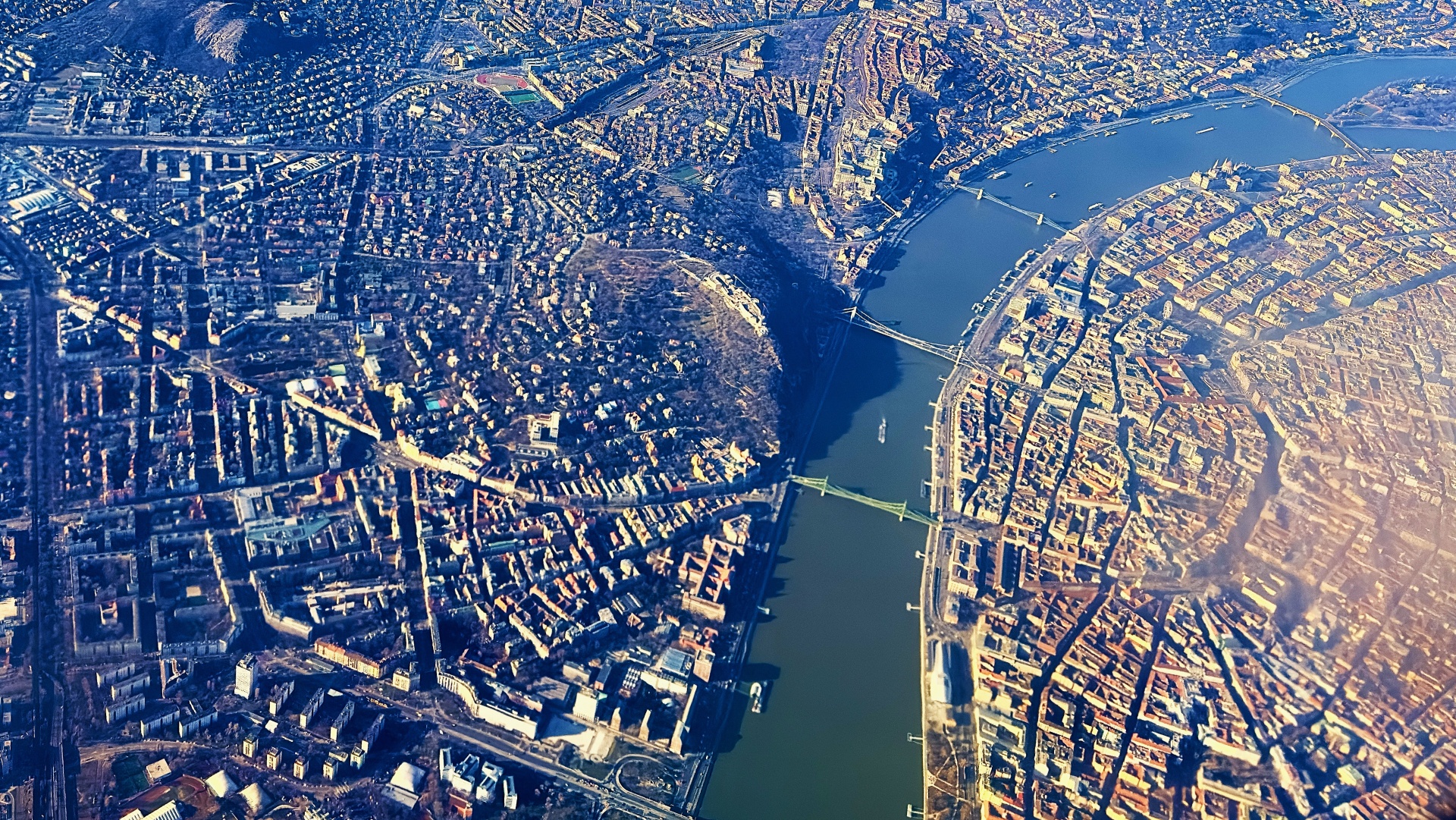
It provides a practical mental map of tourist-relevant districts, main urban axes, transportation logic, and common orientation pitfalls without overwhelming detail.

Use it on your first day to understand where you are, how the city is structured, and how to move with confidence before diving deeper into specific experiences.
Expand / Close
1. City Snapshot

– Buda and Pest duality: hilly, quieter side vs. flat, dense urban core
This contrast becomes clear within the first day.
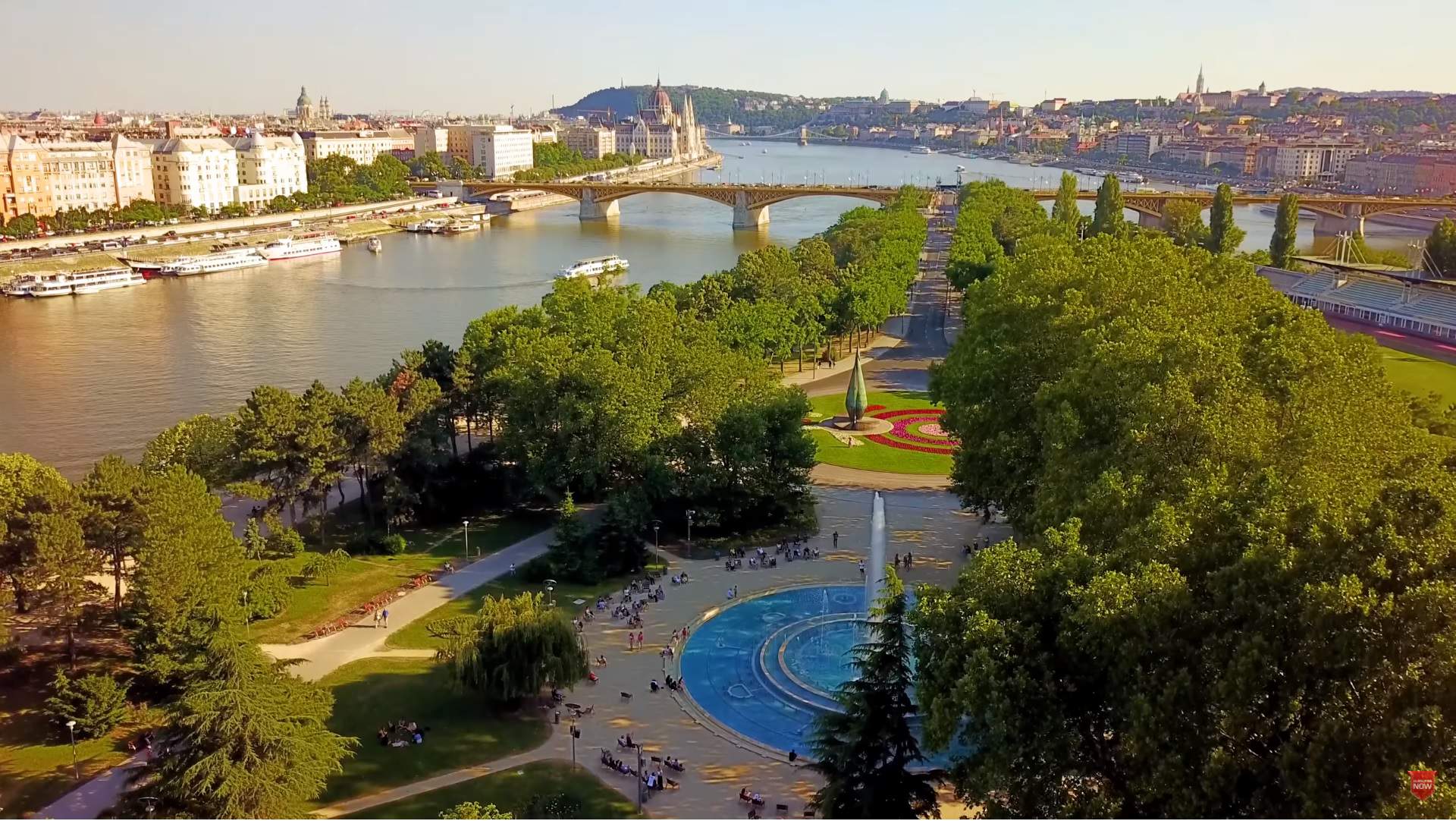
– Danube as the main axis: natural orientation line
Knowing which side you’re on solves most navigation questions.
– Population: ~1.7 million
Large enough to feel alive, small enough to remain readable.

2. District Logic (Tourist vs. Local Areas)

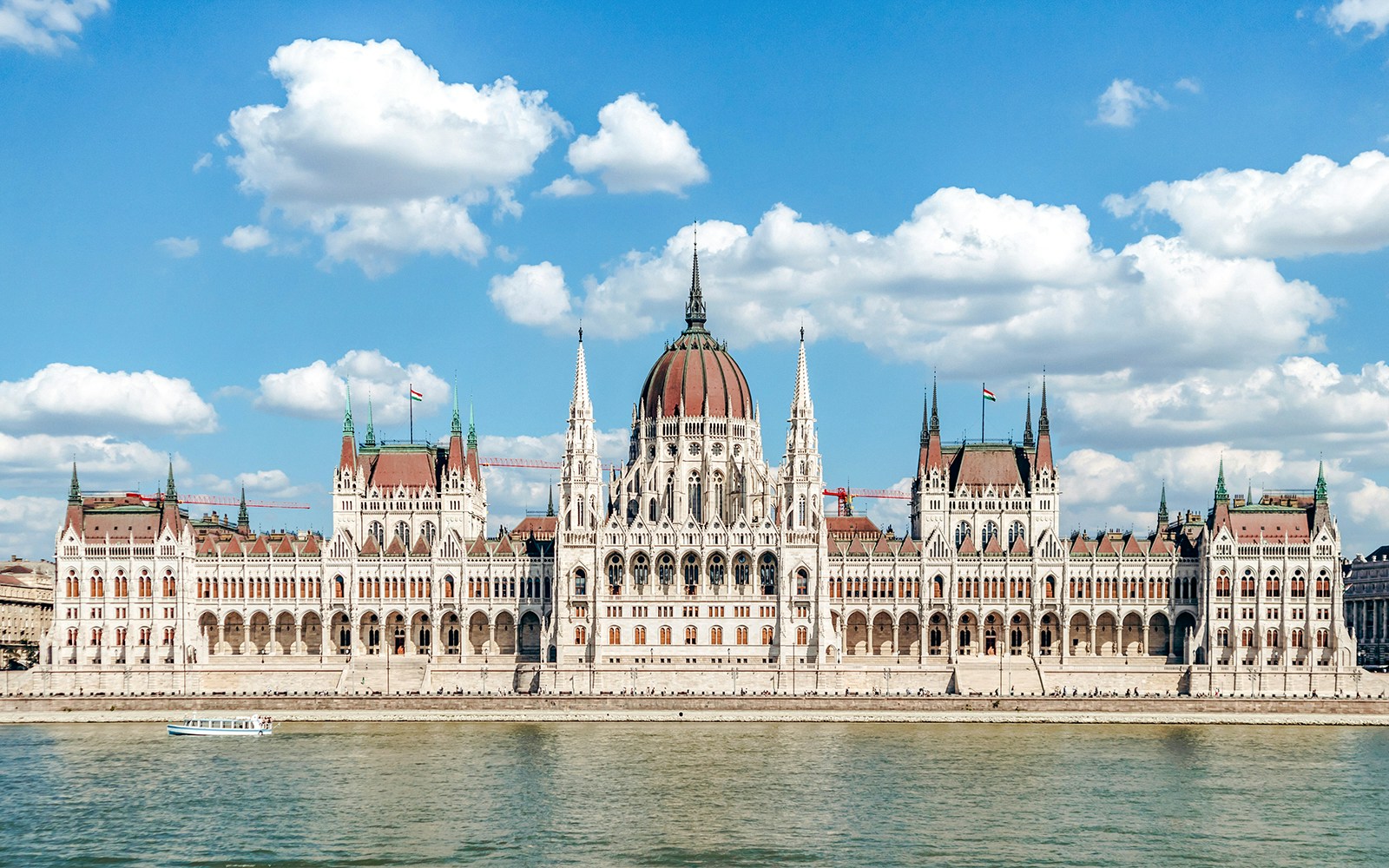
– District V (Downtown): primary tourist and administrative zone
Central, walkable, and dense with landmarks.
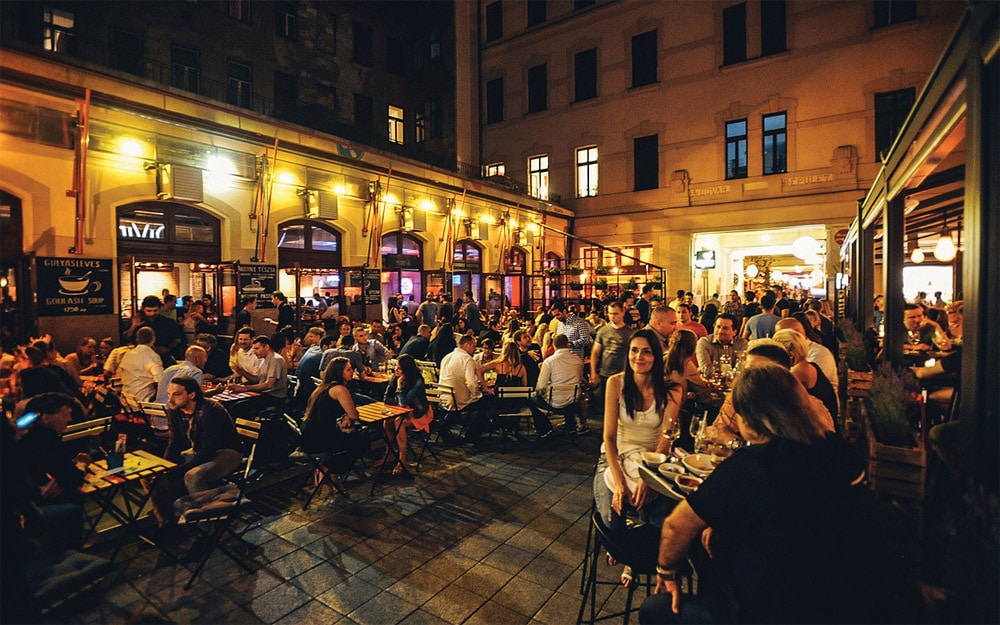
– District VI–VII: nightlife and cultural hotspot
Lively and energetic, but often crowded and noisy.
– District I (Castle District): historical tourist area
Slower pace, panoramic views, strong historical presence.
– District II (Buda Hills): mostly residential with scenic routes
Less touristic, more about atmosphere than attractions.

Note: Outer and primarily residential districts are intentionally excluded from this Pack, as they add little value for short-term visitors.

3. Main Axes & Landmarks

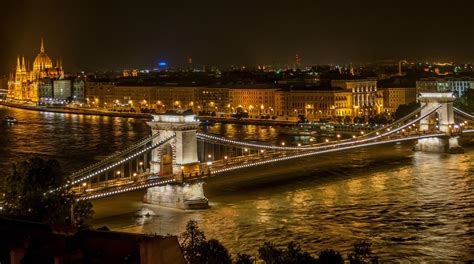
– Danube riverbank: primary spatial reference
Most city movement aligns with it.
– Andrássy Avenue: cultural axis
A gradual transition from dense downtown to open monumental space.
– Grand Boulevard (Nagykörút): inner urban ring
Best place to sense the city’s daily rhythm.
– Buda Castle Hill: historical focal point
Elevation creates distance from the city’s intensity.

4. Transportation Basics

– Metro system: fast cross-city connections
Covers all major hubs efficiently.
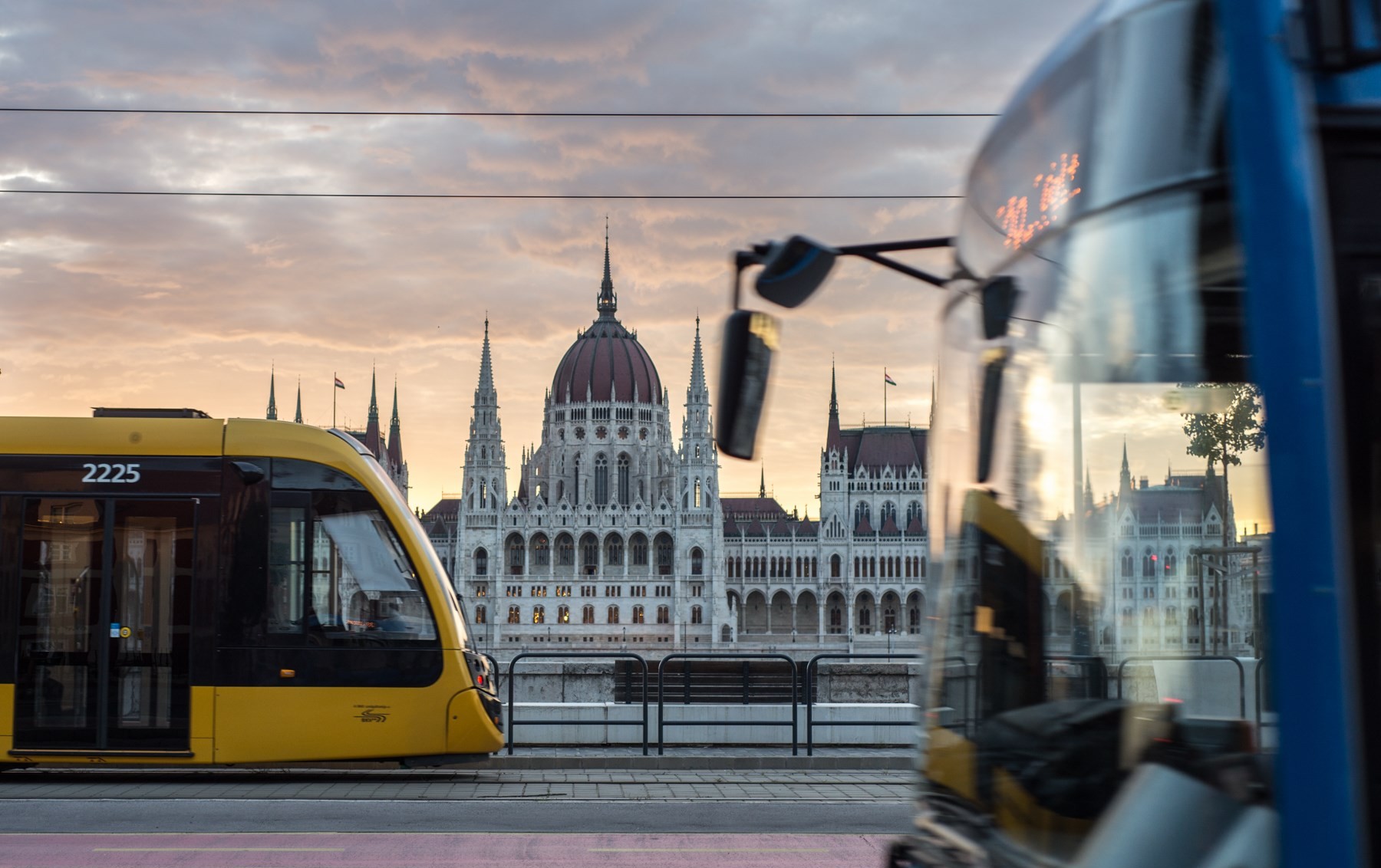
– Tram 4–6: 24/7 backbone line
Often considered the city’s pulse.
– Ticket system: unified, inspection-based
No entry gates, but controls are frequent.
– Walkable zones: downtown and riverbank areas
Many impressions are best absorbed on foot.

5. First-Day Orientation Flow

– Danube walk: initial spatial grounding
Quickly reveals the city’s structure.
– Bridge crossing: Buda ↔ Pest
Short distance, noticeable shift in mood.
– Inner city loop: Districts V–VI
Sufficient for first-day context.
– Evening tram ride: without a fixed destination
A natural way to close the day.

6. Practical Signals

– Safety: generally good
Basic awareness recommended in tourist-heavy zones.
– Language: English widely understood
Not universal, but usually sufficient.
– Payment: card-based by default
Cash is rarely necessary.
– Opening hours: long evenings
The city remains active late.

7. Orientation Traps

– Underestimating distances: especially in central Pest
Density can be misleading.
– Mixing tourist and local expectations:
Different areas operate at different speeds.
– Over-scheduling: in a short stay
Budapest rewards slower pacing.
Crowd walking on a bridge decorated with colorful flags toward the Sziget Island of Freedom festival entrance sign.Autumn trees with vibrant orange, red, and yellow leaves overlooking the Danube River and the Chain Bridge in Budapest with the Parliament building in the background.A wide river with two passenger boats, surrounded by green trees, a bridge, residential buildings, and hills in the background under a clear sky.

Local Essentials

This Pack covers the basics you’ll rely on every day.
It focuses on simple systems and habits that make Budapest easier to navigate once you’ve arrived. 
Use it to move through the city smoothly, efficiently, andwithout second-guessing.
Expand / Close
1. Getting Around Day to Day

– Public transport tickets: single, daily, and multi-day passes
Machines are widespread and support English.
– Validation and control: inspection-based system
Always validate when required; checks are frequent.
– Walking: central districts are compact
Often faster than switching lines.

2. Money and Payments

– Card payments: accepted almost everywhere
Even small purchases are typically cashless.
– Cash: Hungarian forint (HUF)
Useful mainly for markets or edge cases.
– ATMs: widely available
Avoid dynamic currency conversion.

3. Food, Groceries, and Basics

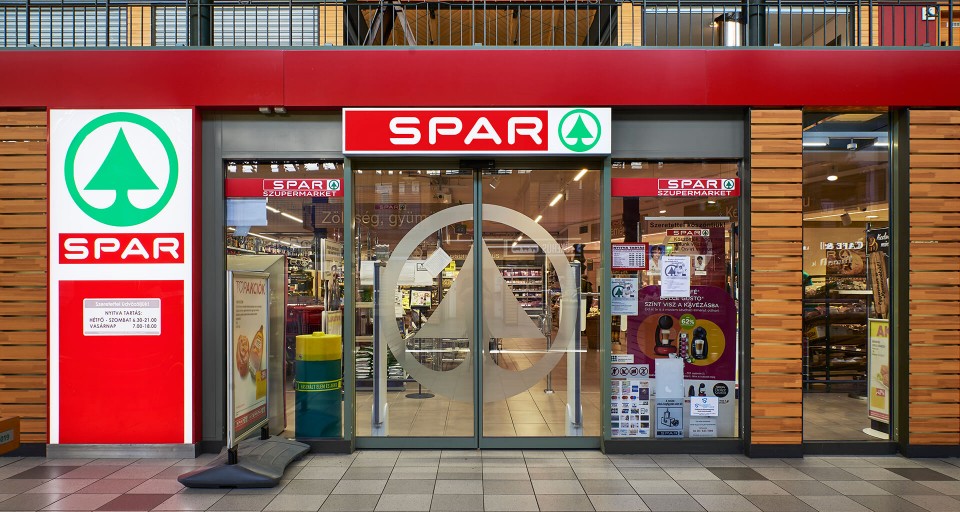
– Supermarkets: Spar, Aldi, Lidl, Tesco
Reliable, affordable, and easy to find.
– Convenience stores: late opening hours
Smaller selection, higher prices.
– Markets: Central Market Hall and local markets
Better for fresh produce and atmosphere than efficiency.

4. Health and Safety

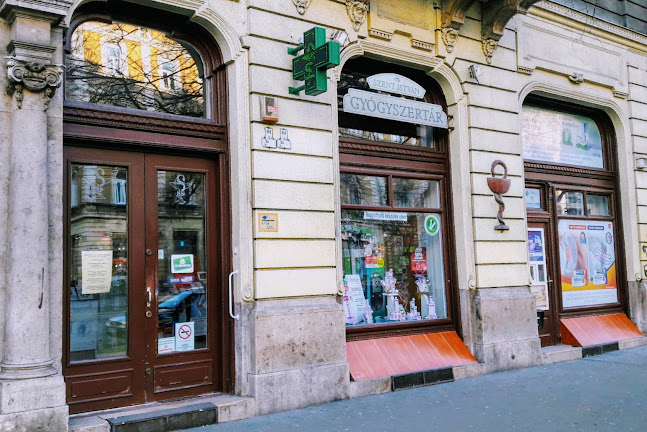
– Pharmacies: clearly marked, common
Many staff speak basic English.
– Emergency number: 112
Works EU-wide.
– Tap water: safe to drink
Bottled water is optional, not necessary.

5. Connectivity

– SIM cards: available at airport and city shops
Prepaid options are straightforward.
– Wi-Fi: common in cafés and public spaces
Quality varies, but coverage is broad.

6. Local Etiquette Signals

– Queues: informal but respected
Observe before acting.
– Volume: quieter tone in public transport
Loud behavior stands out.
– Helpfulness: reserved but reliable
Direct questions work best.
Crowd of people walking across a bridge decorated with colorful flags and a large Sziget Island of Freedom sign.View of Budapest with the Hungarian Parliament building and Chain Bridge across the Danube River, framed by trees with autumn foliage.A wide river flowing through a green landscape with boats on the water, a metal bridge, clusters of buildings, and hills in the background under a hazy sky.

Local Food & Coffee Culture

This Pack focuses on how Budapest eats and drinks on a daily basis.
It highlights patterns, preferences, and expectations rather than specific venues.
Use it to align with local rhythm and standards, not just popular spots.
Expand / Close
1. Hungarian Food Basics

– Traditional dishes: goulash, stews, paprika-based meals
Hearty, warming, and historically practical.
– Portion sizes: generally generous
Meals are designed to be filling, not light.
– Flavor profile: rich and savory
Spices support depth rather than heat.

2. Everyday Eating Patterns

– Lunch: functional and time-bound
Many locals eat quickly or choose daily menus.
– Dinner: later and more social
Restaurants fill after early evening.
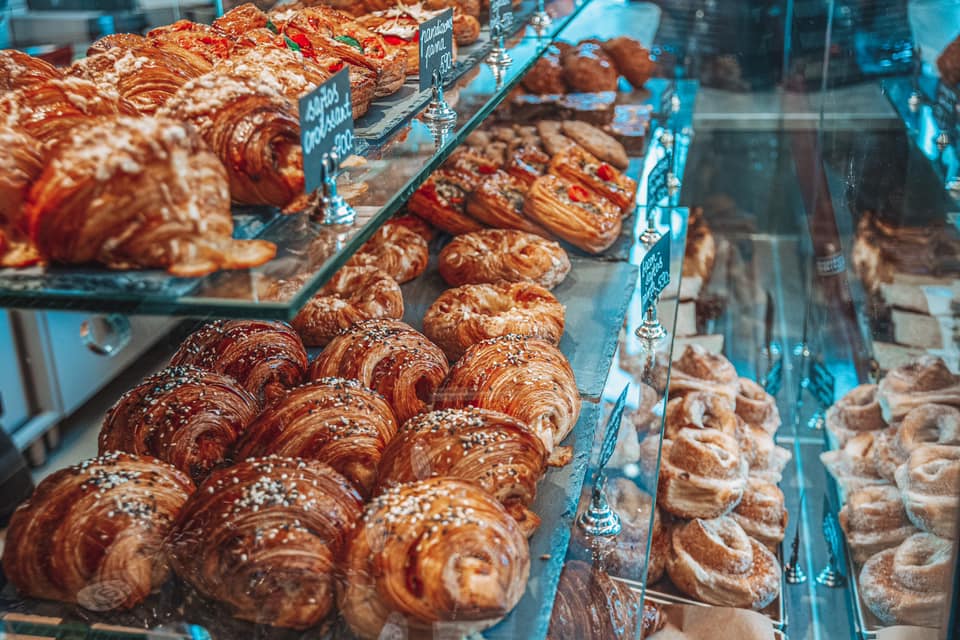
– Bakeries and pastries: common daytime stops
Used for short breaks rather than full meals.

3. Coffee Culture

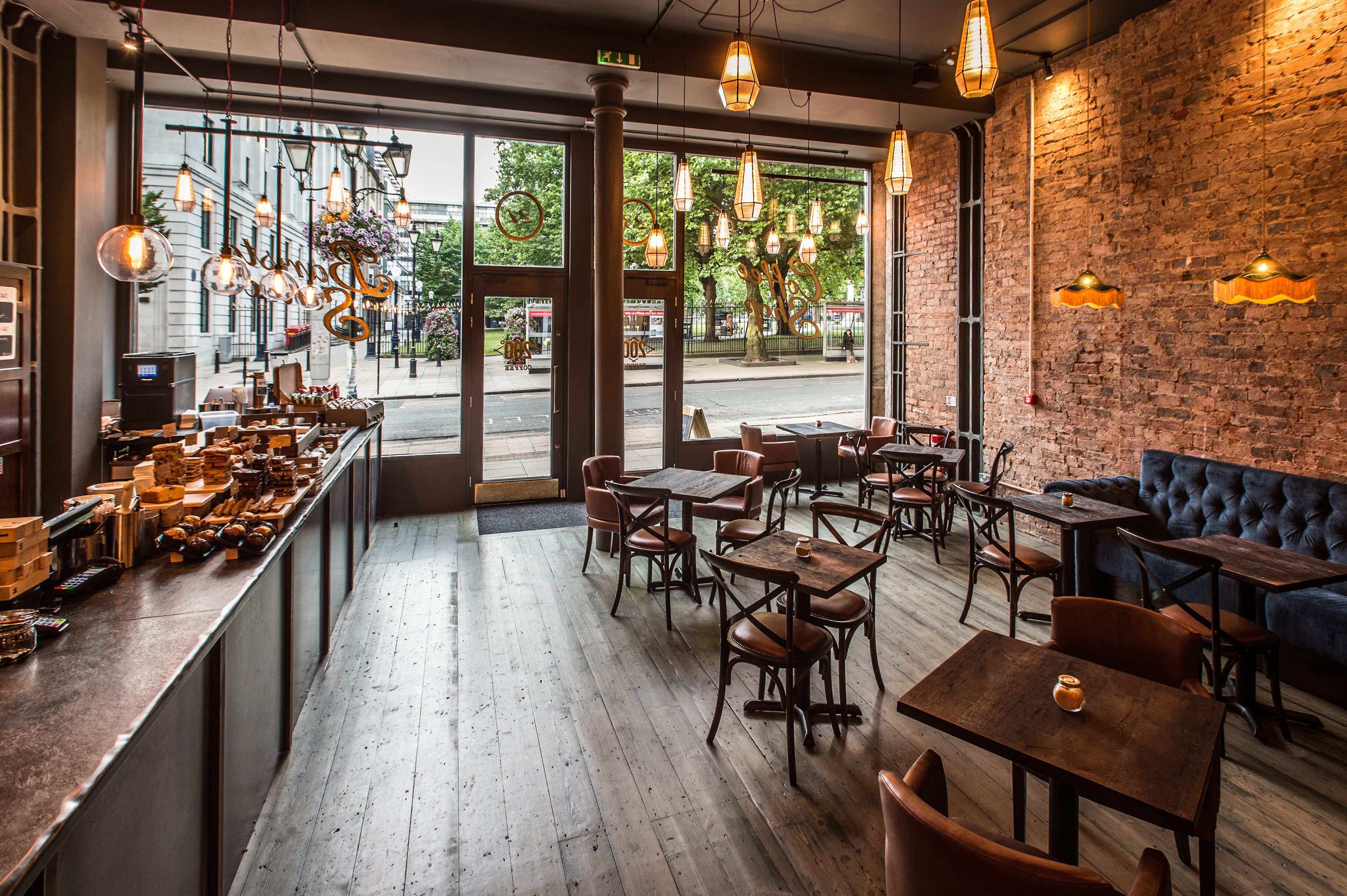
– Specialty coffee: well-developed and visible
Quality-focused cafés are easy to find.
– Classic cafés: historical continuity
Slower pace, conversation-oriented setting.
– Expectation: good coffee is standard
Poor quality stands out negatively.

4. Tourist vs. Local Signals

– Menu language: English-only often signals tourist focus
Bilingual menus are more balanced.
– Location: main squares vs. side streets
One block can change the experience significantly.
– Opening hours: locals favor consistency
Reliable spots matter more than trends.

5. Prices and Value

– Mid-range pricing: strong value for quality
Especially compared to Western Europe.
– Service charge: often included
Tipping is moderate and optional.

6. How to Use This Pack

– To avoid low-quality tourist traps
– To choose cafés and meals confidently
– To set realistic expectations around timing and style
Scenic overlook with benches surrounded by autumn trees and a view of rolling hills and a town in the distance under a partly cloudy sky.Autumn trees with orange and yellow leaves overlooking the Danube River and the Hungarian Parliament building in Budapest.Aerial view of a river with two boats and a bridge, surrounded by green trees, a town with red-roofed buildings, and hills in the background under a clear sky.

Nature & Retreat

This Pack shows where Budapest slows down.
It highlights natural areas and retreat-like spaces that are easily accessible from the city, offering contrast to dense urban movement.

Use it when you need space, quiet, or reset - whether for a few hours or a full day.
Expand / Close
1. Nature Inside the City

– Margaret Island: central green refuge in the Danube
Flat, walkable, and calm despite its location.
– City parks (Városliget, Millenáris): structured green spaces
Designed nature, suitable for short breaks.

2. Buda Hills & Elevated Calm

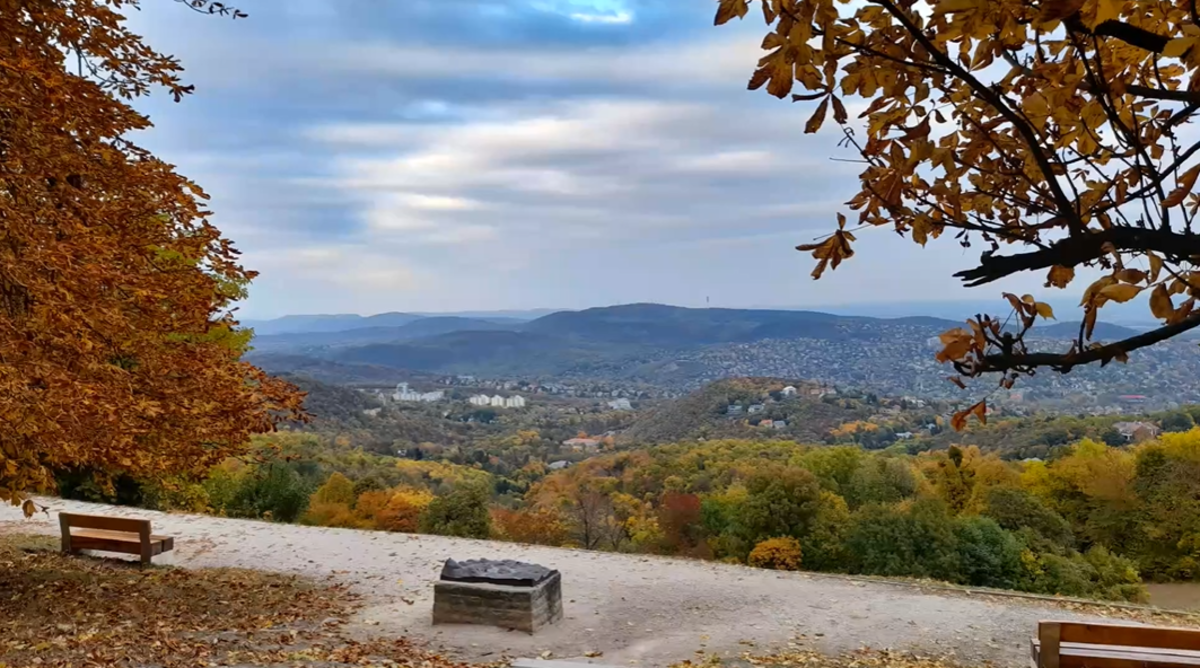
– Normafa area: forested hills with open views
One of the fastest ways to leave the city mentally.
– János Hill: highest point in Budapest
Wide perspective, literal and symbolic distance.

3. Water as Retreat

– Danube riverbanks: slow, grounding movement
Especially effective outside peak hours.
– Thermal bath surroundings: water-focused environments
More restorative than recreational if timed well.

4. Half-Day Nature Escapes

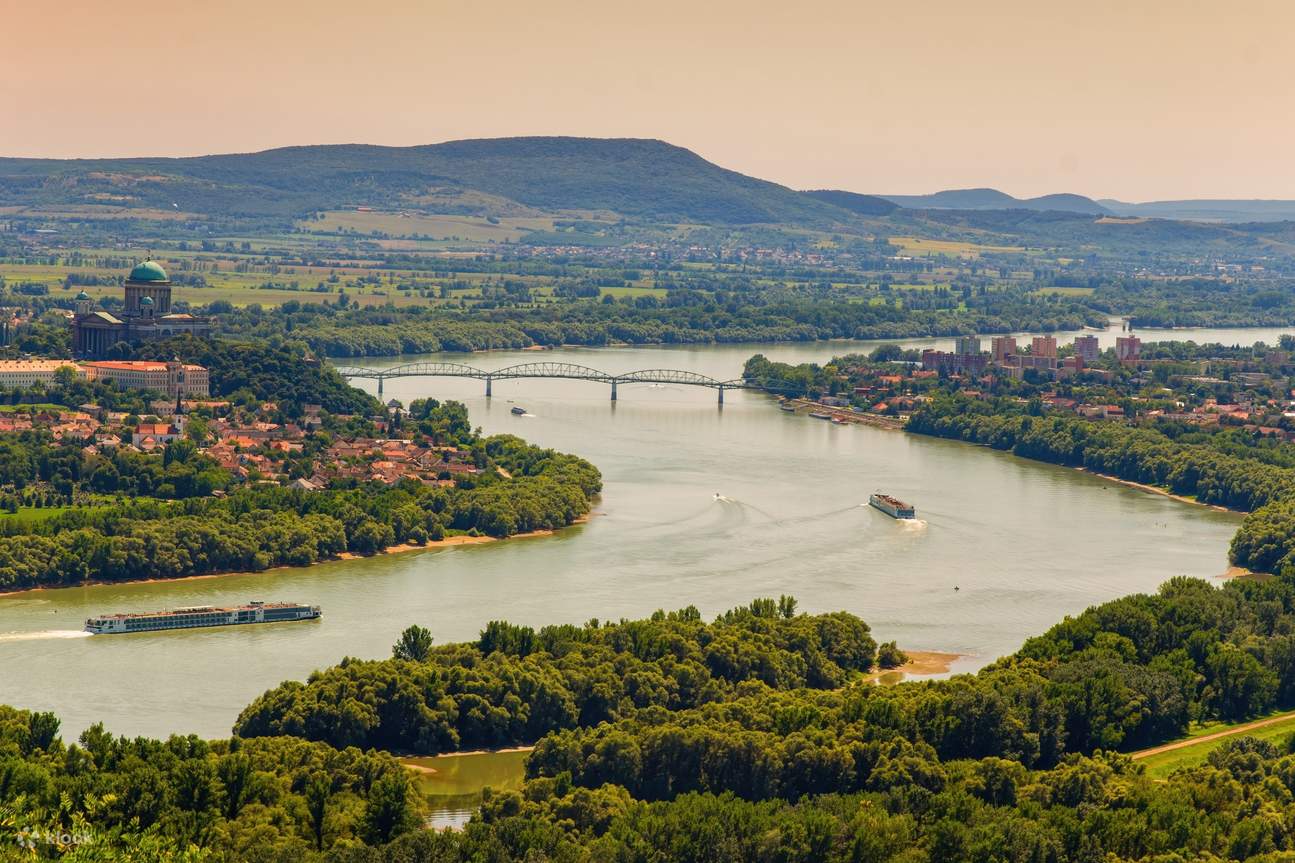
– Danube Bend: river, hills, small towns
Strong contrast to the city without long travel.
– Pilisszentkereszt and Pilis forests: deeper forest atmosphere
Less structured, more immersive.

5. How to Use This Pack

– Pair with City Orientation for balance
– Ideal after intense sightseeing days
– Suitable for solo reset or quiet shared time

6. Practical Signals

– Most locations reachable by public transport
– Weather-sensitive experiences
– Early mornings and weekdays offer the best calm
Crowd crossing a bridge decorated with colorful flags and a large Sziget Island of Freedom festival sign overhead under a clear blue sky.Autumn trees with yellow, orange, and red leaves overlooking the Danube River and the Chain Bridge with the Hungarian Parliament Building in the background.A wide river flowing through a green landscape with boats sailing, a bridge crossing the river, and a large building with a green dome on the left bank.

Scams & Safety

Budapest is generally safe, but like any popular city, it has predictable friction points.
This Pack highlights common scams, safety patterns, and practical signals so you can move through the city without unnecessary tension.

Use it to stay alert, not anxious.
Expand / Close
1. General Safety Baseline

– Overall safety: high by European standards
Violent crime against tourists is rare.
– Risk profile: low-level scams and opportunism
Awareness matters more than caution.

2. Common Tourist Scams

– Bar invitation scam: friendly approach leading to overpriced drinks
Mostly targets solo travelers in nightlife areas.
– Currency exchange traps: poor rates and hidden fees
Especially around tourist-heavy streets.
– Unofficial guides or helpers: unsolicited assistance
Often followed by payment expectations.

3. Nightlife-Specific Signals

– Over-friendly strangers: rapid intimacy
A common precursor to bar-related scams.
– Menu visibility: unclear pricing
Always confirm prices before ordering.
– Late-night taxis: unlicensed vehicles
Stick to official services or apps.

4. Money and Payment Safety

– ATMs: use bank-affiliated machines
Avoid standalone or convenience-store units.
– Dynamic currency conversion: opt out
Always choose local currency (HUF).
– Card payments: generally secure
Keep cards in sight when paying.

5. Pickpocketing and Crowds

– High-risk zones: public transport, festivals, busy nightlife streets
Especially during peak tourist seasons.
– Prevention: simple habits
Front-facing bags and closed pockets are usually enough.

6. Public Transport Safety

– Daytime: very safe
Crowded but orderly.
– Night services: reliable, slightly rougher
Awareness recommended, not avoidance.

7. What Usually Is Not a Problem

– Random street crime
– Walking alone at night in central areas
– Police harassment or corruption

These are not typical concerns for visitors.
Autumn trees with vibrant orange and yellow leaves in front of a river with a historic bridge and a large, ornate building in the background under a blue sky.Crowd walking toward entrance of Sziget Festival on a bridge decorated with colorful flags under a blue sky.A wide river flanked by green trees and buildings with hills in the background under a hazy sky, featuring two boats and an arched bridge.

Seasonal Experience

Budapest shifts noticeably with the seasons.
This Pack outlines how weather, light, crowds, and local habits affect the city at different times of year.

Use it to align your visit with the experience you’re actually looking for, not just availability.

Expand / Close
1. Spring (March–May)

– City mood: reopening and movement
Parks fill quickly, cultural life becomes more visible.
– Best for: walking, cafés, cultural programs
Balanced weather and manageable crowds.

2. Summer (June–August)

– City mood: vibrant but intense
Heat and tourism peak simultaneously.
– Best for: evenings, riverbanks, outdoor bars
Midday sightseeing can feel heavy.

3. Autumn (September–November)

– City mood: calm, reflective
Locals return, pace slows, colors soften.
– Best for: museums, walks, cultural depth
Often considered the most balanced season.

4. Winter (December–February)

– City mood: inward and atmospheric
Short days, strong contrast between indoors and outdoors.
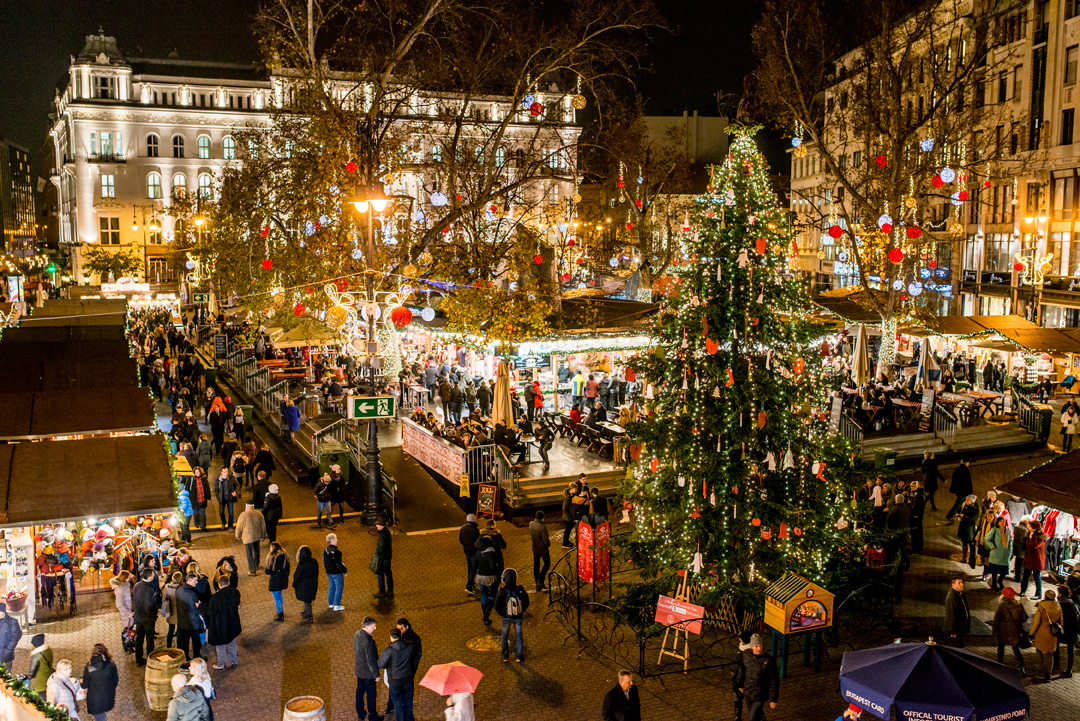
– Best for: baths, cafés, holiday markets
Sightseeing is secondary to mood-based experiences.

5. Seasonal Crowd Patterns

– High season: summer and December
Expect queues and higher prices.
– Low season: late winter
Fewer tourists, quieter streets.

6. Seasonal Adjustments

– Clothing: weather-sensitive planning
Especially important in shoulder seasons.
– Daily rhythm: light affects activity timing
Evenings dominate in winter and summer alike.

Festival Season Impact

– Late spring to summer: major international festivals
Significantly increases visitor numbers and accommodation demand.
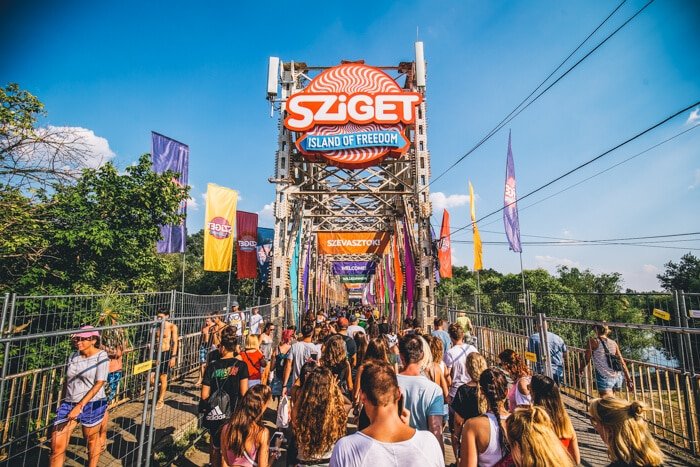
– Sziget Festival (August): city-wide effect
Not limited to the island; transport, nightlife, and prices are all impacted.

What to Expect During Festival Periods

– Crowds: noticeably higher, especially in central districts
Tourist zones and nightlife areas are heavily used.
– Prices: accommodation and short-term rentals rise
Early booking becomes essential.
– City energy: louder, younger, more international
Can feel exciting or overwhelming, depending on intent.

When Festival Season Works Best

– For visitors seeking social, music-driven experiences
– For short, high-energy stays
– Less ideal for retreat, calm, or deep cultural exploration
To City Template →